



Advantages and Disadvantages of Fiberglass Door Curtains
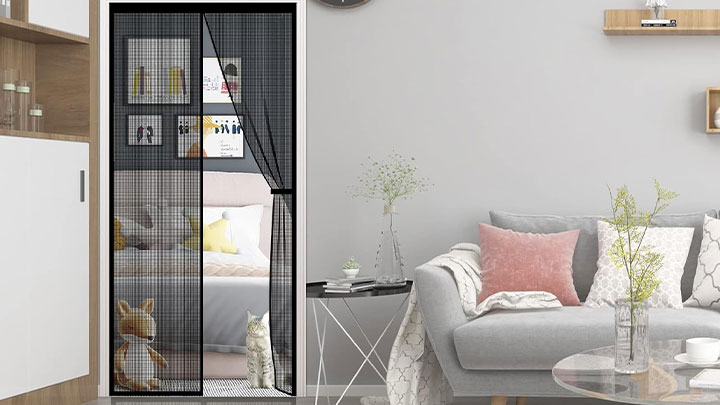
Fiberglass door curtains, also known as fiberglass insect screens or fiberglass door mesh curtains, are widely used in residential, commercial, and industrial environments. They are especially popular in places where ventilation is important but protection from insects, dust, and debris is also required. Made from woven fiberglass yarns and often coated with PVC for added durability, these curtains offer a balance of functionality, cost-effectiveness, and ease of use. However, like any product, fiberglass door curtains have both advantages and disadvantages. Understanding these aspects can help users decide whether they are suitable for their specific needs.
One of the main advantages of fiberglass door curtains is their excellent durability. Fiberglass material is resistant to corrosion, moisture, and most chemicals, making it suitable for humid or coastal environments where metal materials may rust. Unlike traditional fabric curtains, fiberglass door curtains do not easily rot, warp, or degrade when exposed to air and moisture for long periods. This durability ensures a relatively long service life with minimal maintenance, which is highly attractive for both households and businesses.
Another significant advantage is their lightweight nature combined with sufficient strength. Fiberglass door curtains are easy to install and remove, which makes them convenient for seasonal use or for areas that require frequent replacement. Despite being lightweight, they maintain good tensile strength and structural stability, allowing them to withstand daily opening and closing without losing their shape. This balance between weight and strength contributes to their practicality in high-traffic doorways.
Fiberglass door curtains also provide effective insect and pest control. The fine mesh structure allows air and natural light to pass through freely while blocking mosquitoes, flies, and other insects. This feature is particularly beneficial in kitchens, restaurants, warehouses, and homes in warm climates. By reducing the need for chemical insect repellents, fiberglass door curtains offer a more environmentally friendly and health-conscious solution.
In addition, these curtains support energy efficiency and indoor comfort. By allowing natural ventilation, they help reduce reliance on air conditioning and improve air circulation. At the same time, they can act as a partial barrier that limits the direct entry of hot air, dust, and debris from outside. This contributes to a more comfortable indoor environment and can result in lower energy costs over time.
Cost-effectiveness is another important advantage. Compared to metal doors, automatic sliding doors, or specialized industrial curtains, fiberglass door curtains are relatively inexpensive. Their low initial cost, combined with minimal maintenance requirements, makes them an economical option for small businesses and households with limited budgets.
Despite these benefits, fiberglass door curtains also have some disadvantages. One notable limitation is their lower impact resistance compared to metal or heavy-duty plastic curtains. While they can handle normal daily use, they may be damaged by strong impacts, sharp objects, or heavy equipment. In industrial settings with frequent forklift traffic or heavy loads, fiberglass door curtains may not provide sufficient protection.
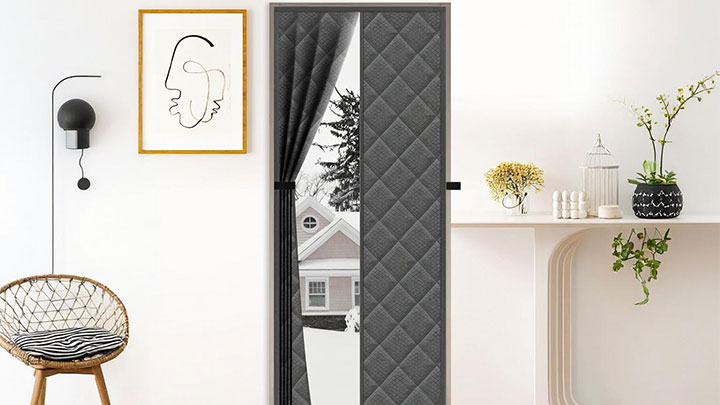
Another disadvantage is their limited insulation performance. Fiberglass door curtains are primarily designed for ventilation and insect control rather than thermal or acoustic insulation. They do not significantly reduce noise or maintain indoor temperatures in extreme weather conditions. As a result, they may not be suitable for environments that require strict temperature control, such as cold storage facilities or sound-sensitive areas.
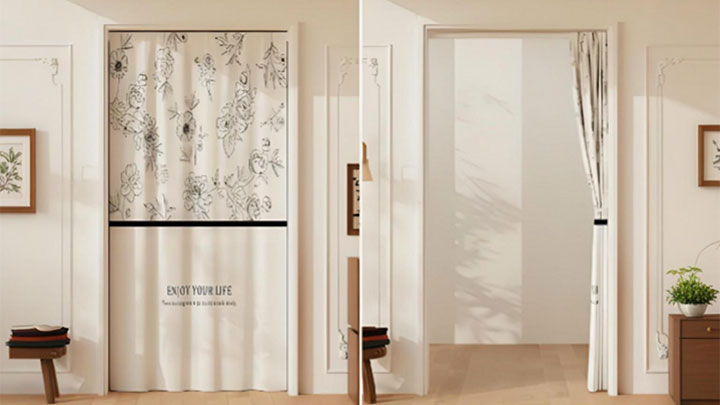
Aesthetic considerations can also be a drawback for some users. Although fiberglass door curtains are functional, their appearance is generally simple and utilitarian. In high-end residential or commercial spaces where interior design and visual appeal are priorities, fiberglass door curtains may not align with the desired aesthetic standards.
Finally, prolonged exposure to strong sunlight may gradually affect the material. Over time, UV radiation can cause fading or slight brittleness, especially if the PVC coating is of lower quality. While this does not usually lead to immediate failure, it may reduce the overall lifespan of the curtain if used outdoors without adequate UV protection.
In conclusion, fiberglass door curtains offer a practical and economical solution for ventilation, insect control, and everyday doorway protection. Their durability, lightweight design, ease of installation, and cost-effectiveness make them suitable for many residential and commercial applications. However, their limitations in impact resistance, insulation performance, and aesthetic appeal mean they may not be ideal for every environment. By carefully evaluating the specific usage requirements, users can determine whether fiberglass door curtains are the right choice for their space.